


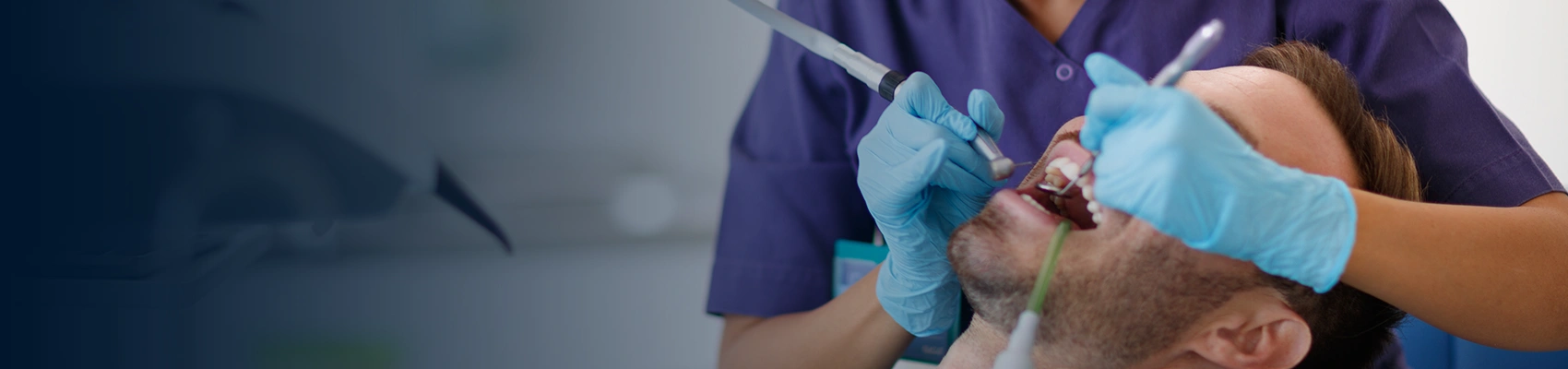
When Is Wisdom Teeth Removal Recommended?
When Should Wisdom Teeth Be Removed?

Wisdom Teeth Removal — Explained by Bayswater Dental Clinic
Not every wisdom tooth needs to be taken out. When they grow in properly, remain healthy, and can be cleaned with ease, removal isn’t usually required. If the teeth are fully erupted, well-aligned, and not putting pressure on neighbouring teeth, they can often stay in place without issue.
However, there are situations where wisdom tooth extraction becomes necessary to protect your overall dental health.
When Extraction Is Recommended
Your dentist may recommend removing a wisdom tooth if:
-
It stays completely beneath the gum line.
When a wisdom tooth doesn’t break through, it can become trapped and form a cyst or infection, which may damage surrounding bone or teeth.
-
It only partially erupts.
A tooth that emerges halfway can leave a flap of gum tissue that easily traps food and bacteria. This can cause swelling, tenderness, and infection. In some cases, removing the gum flap around the tooth can offer relief and prevent further irritation.
-
It causes overcrowding.
Wisdom teeth that push against neighbouring teeth can lead to misalignment or damage over time. Extracting them can help maintain your bite and prevent long-term orthodontic problems.


Professional Assessment and Care
Every patient’s situation is different, and not all discomfort means a tooth needs to come out. A professional examination can determine whether your wisdom teeth are positioned safely or if they’re likely to cause future issues.
At Bayswater Dental Clinic, our dentists will carefully evaluate your X-rays, gum health, and overall alignment before recommending the most suitable treatment — whether that’s ongoing monitoring or removal.
Take the Next Step Toward Relief
If you’ve noticed pain, swelling, or crowding near the back of your mouth, it may be time to have your wisdom teeth checked.
Book an appointment with Bayswater Dental Clinic today for a full assessment and expert advice on whether wisdom tooth removal is right for you.


- Monday 09:00AM - 08:00PM
- Tuesday 09:00AM - 08:00PM
- Wednesday 09:00AM - 08:00PM
- Thursday 09:00AM - 08:00PM
- Friday 09:00AM - 08:00PM
- Saturday 09:00AM - 08:00PM
- Sunday 09:00AM - 04:00PM
Start your journey

Book Now
View available appointment time slots and book in at your convenience

Make an Enquiry
Provide us with your details and we'll get in touch
Got a Question?
Speak live with one of our expert dental care team members.
