



What Is Hyperhidrosis Treatment With Botox?
What Is Hyperhidrosis Treatment with Botox?
Introduction
Hyperhidrosis is a condition where the body produces sweat beyond what’s needed for cooling. This issue can affect areas like the underarms, hands, feet, or face, sometimes causing embarrassment and inconvenience. At Bayswater Dental Clinic, we offer Botox (botulinum toxin type A) as a medically proven solution. It helps reduce excessive sweating by blocking nerve signals to sweat glands in the treated region.
Benefits
- Significantly reduces sweat production in targeted zones
- Improves daily comfort, confidence, and social ease
- Non-surgical and outpatient — no general anaesthetic required
- Onset of effect is relatively quick, often within days
- Effects are local, not systemic
- Many patients return for maintenance treatments with sustained relief
How the Treatment Works (Process)
-
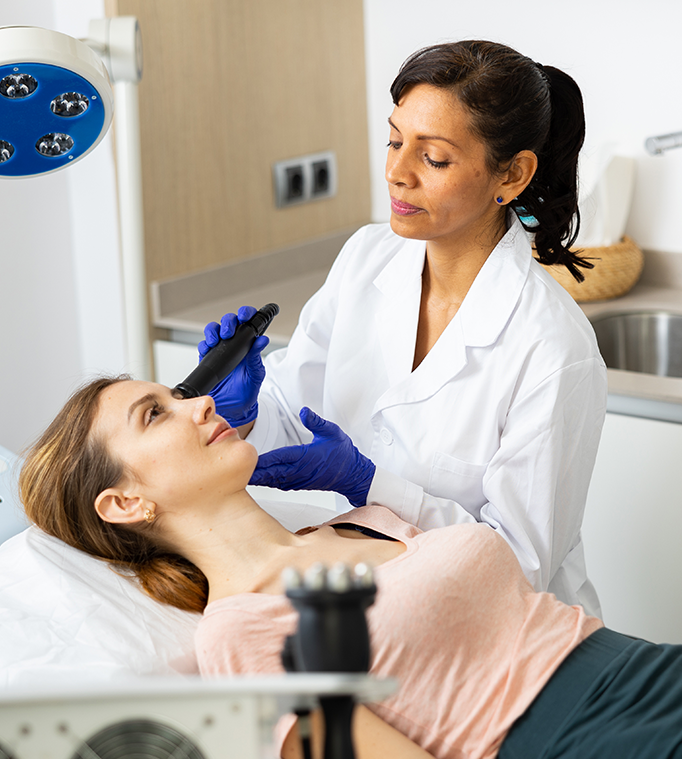
Consultation & assessment
Your clinician will evaluate the sweating area, review your medical history, and determine whether Botox is appropriate. In some cases, a topical “sweat test” may be done to map active glands.
-
Skin preparation
The treated area is cleansed and disinfected. A numbing cream may be applied to reduce discomfort.
-
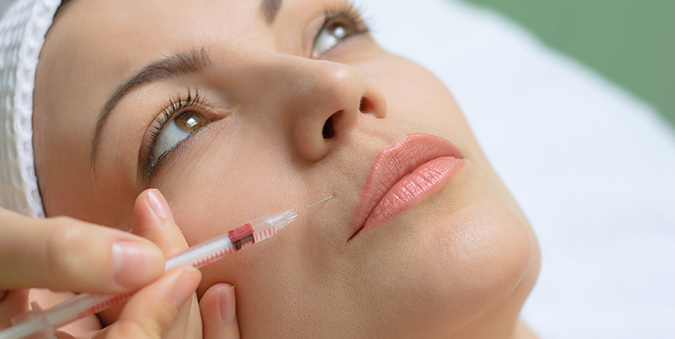
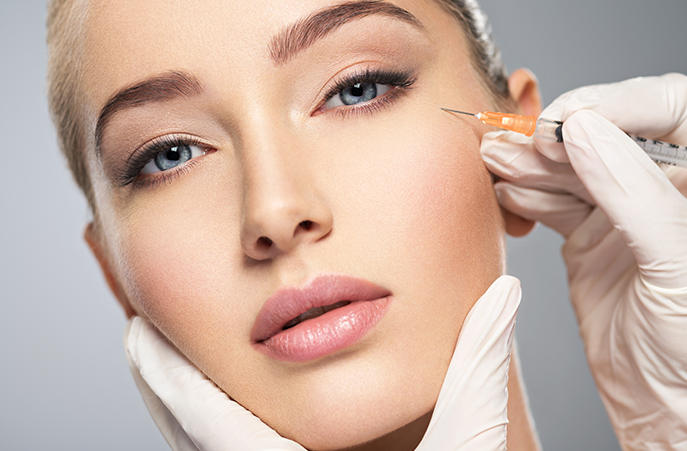
Injection of Botox
Using very fine needles, multiple small injections are made in a grid or pattern across the sweat-prone zone. Each injection interrupts nerve communication to nearby sweat glands, reducing their activity.
-
Initial diffusion and effect
After treatment, Botox gradually blocks signals from the nerves to the sweat glands. Sweat production in the zone diminishes as the effect takes hold.
-
Follow-up & evaluation
You’ll be monitored for immediate effects and given instructions on aftercare. A follow-up visit allows assessment of efficacy and minor adjustments if necessary.
The entire session typically takes 20 to 45 minutes, depending on how many areas are involved.
Cost
To obtain an accurate price for Botox treatment for hyperhidrosis, you will need to call the clinic. Pricing varies depending on the size and number of areas treated, and the dosing required.
Aftercare
- Avoid rubbing, massaging, or applying pressure to the treated zone for 24 hours
- Skip intense exercise, saunas, or heat exposure for 24–48 hours
- Keep area clean and dry; mild redness or swelling is normal
- Contact us if you notice unusual muscle weakness, asymmetry, or signs of infection
Suitability
You may be a suitable candidate if you:
- Experience localized excessive sweating
- Are in good general health
- Are aware that results are temporary and repeated treatment may be necessary
You may not be suitable if you:
- Are pregnant or breastfeeding
- Have neuromuscular diseases or certain medications
- Have infection or inflammation at the intended injection site
In consultation, we will review your full medical history and ensure the treatment is safe for you.
Alternatives & Complementary Options
- Prescription-strength antiperspirants
- Iontophoresis (especially for palms or feet)
- Oral medications (anticholinergics)
- Microwave or energy-based devices (for sweat gland destruction)
- Surgical sympathectomy (for more permanent intervention) We will help you explore what approach or combination fits your lifestyle best.
Frequently Asked Questions
-
How soon does it start working?
You may see noticeable sweat reduction within 2–7 days, with full effect often by day 10–14.
-
How long do results last?
Typically, effects last 4 to 6 months, though this can vary per person and location.
-
Is it safe?
When administered by qualified clinicians, Botox is considered safe for hyperhidrosis. Side effects tend to be mild and temporary.
-
Will I stop sweating completely?
No. Botox reduces excess sweating in treated areas but does not eliminate baseline sweat function needed for normal body regulation.
-
Does it hurt?
Any discomfort is typically mild. We use numbing agents and fine needles to minimise pain.


- Monday 09:00AM - 08:00PM
- Tuesday 09:00AM - 08:00PM
- Wednesday 09:00AM - 08:00PM
- Thursday 09:00AM - 08:00PM
- Friday 09:00AM - 08:00PM
- Saturday 09:00AM - 08:00PM
- Sunday 09:00AM - 04:00PM
Start your journey

Book Now
View available appointment time slots and book in at your convenience

Make an Enquiry
Provide us with your details and we'll get in touch
Got a Question?
Speak live with one of our expert dental care team members.
