


Is The Hyperhidrosis Treatment Safe?
Is Hyperhidrosis Treatment with Botox Safe?
Introduction
Botox injections are among the most widely used medical options for controlling excessive sweating (hyperhidrosis). Many patients ask whether this treatment is safe, especially when considering injections in sensitive areas such as palms, underarms, face, or feet. At Bayswater Dental Clinic, we prioritise safety by using medically approved techniques and comprehensive screening. This page explains known risks, how we mitigate them, and what makes Botox a trusted option for sweat reduction.
Safety Profile & Clinical Evidence
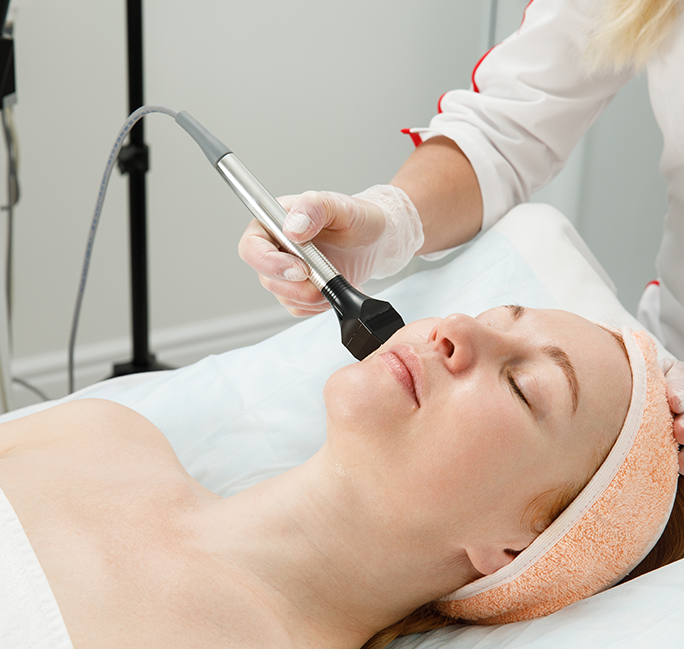
Botox (botulinum toxin type A) has been studied extensively in hyperhidrosis treatments. Clinical trials and real-world use indicate it is well tolerated, particularly when used for axillary hyperhidrosis (underarms). In these studies, patients demonstrated significant sweat reduction with few serious adverse effects reported.
Common and Expected Effects
As with any injection, certain side effects are possible. These are usually mild and transient:
- Discomfort or stinging at injection sites
- Redness, swelling, or bruising around treated skin
- Mild flu-like symptoms or headache
- Weakness in nearby muscles (especially in palms or around facial areas)
- Dryness of skin in the treated zone
- Compensatory sweating in untreated zones
These symptoms often resolve within a few days to weeks, without lasting harm.
Less Common & Rare Risks
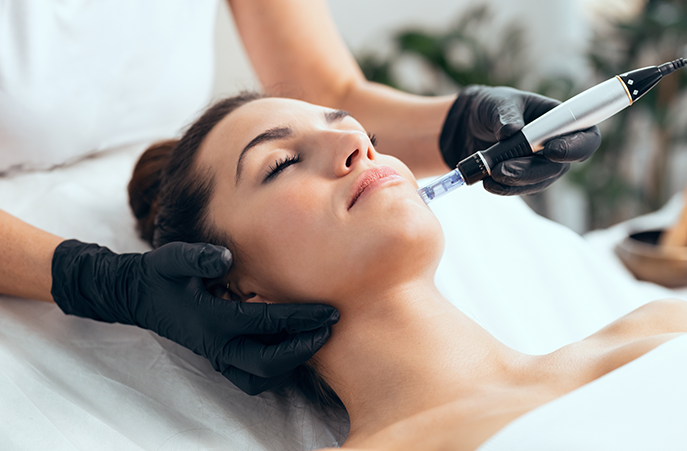
Although serious effects are rare, it’s important to be aware:
- Spread of toxin beyond the injection area may cause weakness in adjacent muscles
- Allergic responses (rash, swelling, breathing difficulties) in rare cases
- Temporary muscle paralysis or nerve effects
- Infection at injection sites
- Dry mouth, visual changes, or swallowing difficulty (in extraordinary cases, especially when treating near facial or neck areas)
Appropriate dosing, anatomical expertise, and injection technique help limit these risks.

Safety Considerations & Contraindications
We take comprehensive precautions, including:
- Avoiding treatment in patients with neuromuscular disorders
- Not recommending Botox during pregnancy or breastfeeding
- Refraining from injections in areas with active skin infection or inflammation
- Adjusting or ruling out treatment if you use certain medications (e.g. muscle relaxants, some antibiotics)
- Performing detailed medical history checks to assess underlying conditions
Choosing a qualified clinician who understands facial anatomy and autonomic nerve pathways is essential for minimizing risk.
Less Common & Rare Risks
Although serious effects are rare, it’s important to be aware:
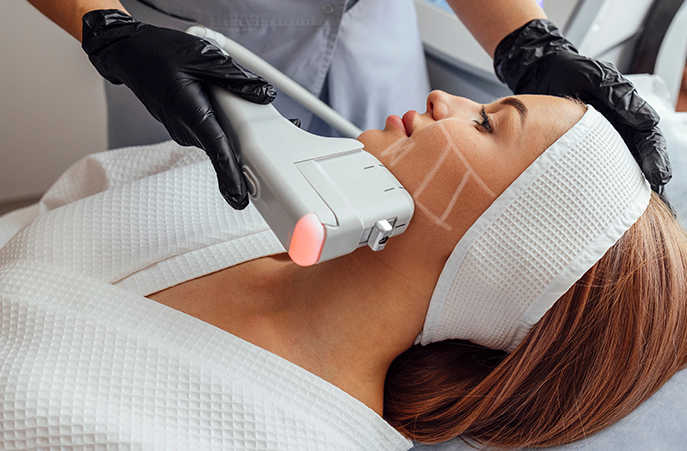
- Accurate mapping of injection zones to avoid unintended muscle weakening
- Use of small, precise doses tailored to your anatomy
- Sterile technique and strict infection control
- Thorough pre-treatment screening and review of your medical background
- Careful post-treatment monitoring and follow-up
These safeguards help ensure Botox for hyperhidrosis remains both safe and effective.
Frequently Asked Questions
-
Can Botox be dangerous?
When administered correctly the risks are low. Most side effects are mild and resolve. However, if the toxin spreads, muscle weakness or more serious effects could occur.
-
Will sweating stop entirely?
No. Botox reduces excessive sweating in the treated area but does not stop all sweat production.
-
How long do safety effects last?
Temporary muscle weakness or discomfort typically resolves within weeks as the toxin effects diminish.
-
Is repeat treatment safe over time?
Yes, longitudinal studies show repeated Botox sessions for hyperhidrosis remain well tolerated when managed by experienced providers.
-
Can injections affect hand strength?
Yes, when treating palms, there’s a known risk of temporary grip weakness. This usually resolves without intervention.
-
Should special care be taken when treating face?
Yes—when treating facial or head areas, small doses and precise placement are critical to prevent drooping, asymmetry, or unintended diffusion.


- Monday 09:00AM - 08:00PM
- Tuesday 09:00AM - 08:00PM
- Wednesday 09:00AM - 08:00PM
- Thursday 09:00AM - 08:00PM
- Friday 09:00AM - 08:00PM
- Saturday 09:00AM - 08:00PM
- Sunday 09:00AM - 04:00PM
Start your journey

Book Now
View available appointment time slots and book in at your convenience

Make an Enquiry
Provide us with your details and we'll get in touch
Got a Question?
Speak live with one of our expert dental care team members.
