



History Of Dermal Fillers
Understanding Dermal Fillers: How They Evolved and What They Do
Introduction
Dermal fillers are injectable substances used to gently restore facial volume, smooth lines, and refine contours without surgery. Over decades, formulations and techniques have advanced significantly, making filler treatments safer, more versatile, and more natural in outcome. At Bayswater Dental Clinic, we use these modern innovations to help you refresh your appearance with balanced, subtle enhancements.
Benefits
- Replaces lost volume in cheeks, lips, jawline, and other regions
- Softens static wrinkles and folds
- Defines facial features and improves symmetry
- Almost instant visible improvement
- Minimally invasive with limited downtime
- Many products can be adjusted or dissolved if needed
- Complements other facial rejuvenation treatments
The Evolution of Dermal Fillers & How They Work

The concept of filling facial depressions dates back to the late 1800s when surgeons used a person’s own fat to correct soft tissue defects. Over time, synthetic and biocompatible materials were developed to simplify and standardize treatments. In the mid-20th century, silicone and other injectables were experimented with, but many caused adverse effects so they fell out of favour. In the 1980s, collagen derived from animal sources became the first widely accepted aesthetic filler, though limitations included allergic reactions and short duration.
Advances in chemistry eventually paved the way for hyaluronic acid, calcium-based fillers, and collagen-stimulating materials, each offering improved safety, longevity, and control. Modern fillers now combine volumising effects with structural support, often integrating with surrounding tissues for natural look and feel. The fillers we use today are the result of this evolution—safer, better tolerated, and more refined.
Treatment Process

Consultation & planning
We begin with a facial assessment, discussing your goals, skin characteristics, and areas of concern. Together we plan which zones to treat and which filler types to use.
Preparation
We cleanse the treatment area thoroughly and apply topical numbing or local anaesthetic to minimise any discomfort.
Injection stage
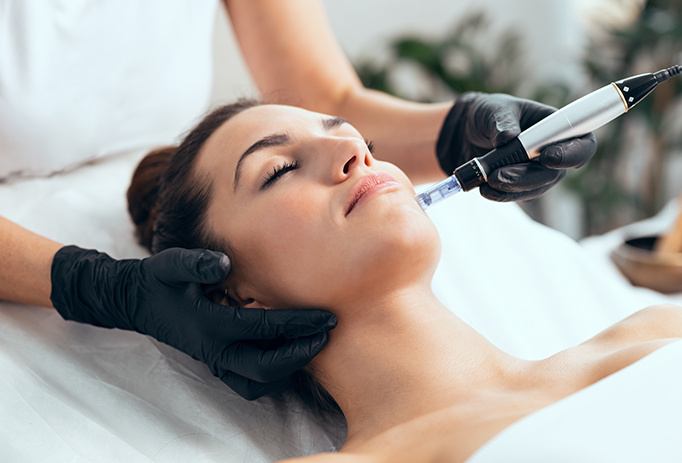
Using fine needles or blunt cannulas, the filler material is delivered into precise depths beneath the skin. We proceed gradually, sculpting layer by layer to create support and volume while respecting natural contours.
Sculpting & fine tuning
Once in place, the filler is moulded into shape. We assess balance and symmetry and make minor adjustments where necessary.
Final review & next steps
You’ll see early results immediately. Before you leave, we review outcomes, offer advice about expected settling, and schedule a follow-up if refinement is required.
A typical session lasts 30–60 minutes, depending on how many areas are treated.
Call the clinic today to schedule your consultation and explore your options.


Cost
To obtain a specific cost for your dermal filler treatment, please call the clinic. Prices vary based on the product used, the number of syringes, and the complexity of the areas treated.

Aftercare
Proper care after treatment helps ensure optimal results:
- Do not press, rub, or massage treated areas for at least 12 hours
- Avoid vigorous exercise, steam rooms, and heavy heat exposure for 24–48 hours
- Use cool compresses gently to ease swelling or bruising
- Sleep with your head slightly elevated the first night
- Avoid alcohol and anti-inflammatory medicines on day one
- Stay out of strong sunlight and tanning beds for several days
- Use mild skincare products and delay exfoliants or peels for a week
- Attend your follow-up visit to assess results and perform tweaks if needed
Some mild swelling, redness, or tenderness is normal and usually resolves in days. If you notice lumps, asymmetry, or prolonged discomfort, contact us immediately.
Suitability
You may be a good candidate if you:
- Are generally healthy
- Wish to restore volume, soften lines, or refine contours
- Prefer a non-surgical approach
- Have realistic expectations

You may not be suitable if you:
- Are pregnant or breastfeeding
- Have active infection or inflammation at injection sites
- Have allergies to filler components
- Are on strong blood-thinning medications
During the consultation, we review your medical history, current medications, and skin health to confirm whether dermal fillers are appropriate for you.

Alternatives & Complementary Treatments
- Botulinum toxin injections (anti-wrinkle treatments): ideal for lines caused by muscle movement
- Thread lifting: uses dissolvable sutures to lift sagging soft tissue
- Fat transfer: uses your own fat to fill voids (more invasive)
- Implants or surgical augmentation: for permanent structural correction
- Skin resurfacing, lasers or tighteners: to improve texture and tone
- Combination plans: filler plus Botox or skin treatments may offer the most harmonious result
In your consultation we’ll recommend the best approach, whether filler alone or in combination with other options.
Frequently Asked Questions
-
How do fillers function in skin tissue?
Fillers occupy space beneath the skin, supporting soft tissue and restoring volume. Some also stimulate collagen production for longer-term improvement.
-
When will I see the final effect?
You’ll notice changes right away; swelling will settle over a few days, revealing the refined outcome.
-
How long do results last?
Depending on the material, area treated, and individual metabolism, effects often last 6 to 18 months.
-
Is it painful?
We use numbing agents and gentle injection techniques. Most patients report only mild pressure or tingling.
-
Can fillers be undone?
Yes—many hyaluronic acid-based fillers can be dissolved using a specific enzyme if adjustment is needed.
-
What side effects are expected?
Temporary swelling, bruising, redness, and tenderness are common. Rare complications include lumps or unevenness when improperly administered.
-
Do I need more than one treatment?
One session is often sufficient; a minor follow-up within two weeks may refine the result.
-
Will people notice I had treatment?
Our goal is subtle rejuvenation. The result should look balanced and natural rather than dramatic.
Calls to Action
Ready to explore what modern fillers can do for your features? Call the clinic today and book your consultation.
Prefer to set it up online? Book your appointment now or email us to reserve your assessment with our specialist team.
Let Bayswater Dental Clinic help you enjoy balanced, refreshed facial contours with safe, tailored dermal filler care.
- Monday 09:00AM - 08:00PM
- Tuesday 09:00AM - 08:00PM
- Wednesday 09:00AM - 08:00PM
- Thursday 09:00AM - 08:00PM
- Friday 09:00AM - 08:00PM
- Saturday 09:00AM - 08:00PM
- Sunday 09:00AM - 04:00PM
Start your journey

Book Now
View available appointment time slots and book in at your convenience

Make an Enquiry
Provide us with your details and we'll get in touch
Got a Question?
Speak live with one of our expert dental care team members.
