



6. How Long Will The Treatment Take?
How Long Does a Neurotoxin (Botox-style) Session Take?
Introduction
When you’re considering a facial rejuvenation procedure using neurotoxin injections, you naturally want to know how much time you'll need. This page outlines the typical duration of the appointment, preparation steps, and what to expect so you can plan your visit confidently.
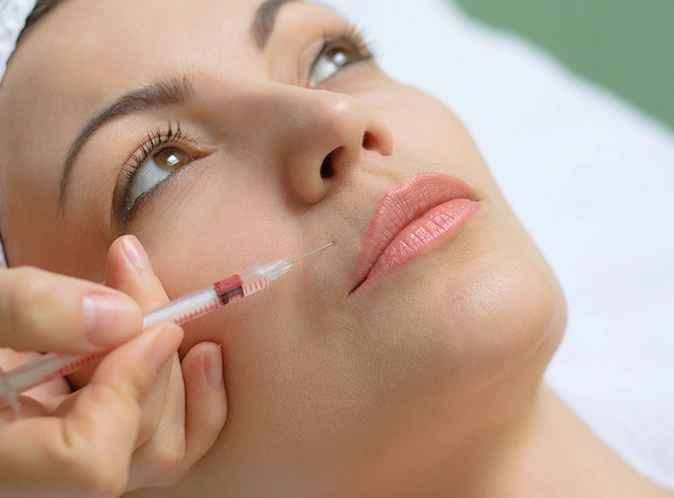
What Determines the Treatment Duration?
The length of your session depends on several factors:
- Number of areas treated (e.g. one zone vs multiple zones)
- Complexity of the injection mapping (some facial zones require precise balancing)
- Consultation time (reviewing your medical history, discussing goals)
- Room setting & preparation (cleansing, numbing if needed)
- Post-injection review and instructions
Because of these variables, the total time can vary. Below is a typical breakdown.
Typical Time Breakdown
| Phase | Approximate Time | Advice / Notes |
|---|---|---|
| Consultation & planning | 10–15 minutes | We discuss your concerns, examine facial dynamics, assess suitability, and map injection sites |
| Preparation of treatment area | 5 minutes | Cleansing, marking the skin, optional numbing (if requested) |
| Injection process | 5–10 minutes | Precise microinjections into selected muscle zones |
| Post-treatment review & aftercare advice | 5 minutes | Checking the treated areas, discussing aftercare, and answering your questions |
In many cases, the entire appointment lasts between 20 and 30 minutes from start to finish.
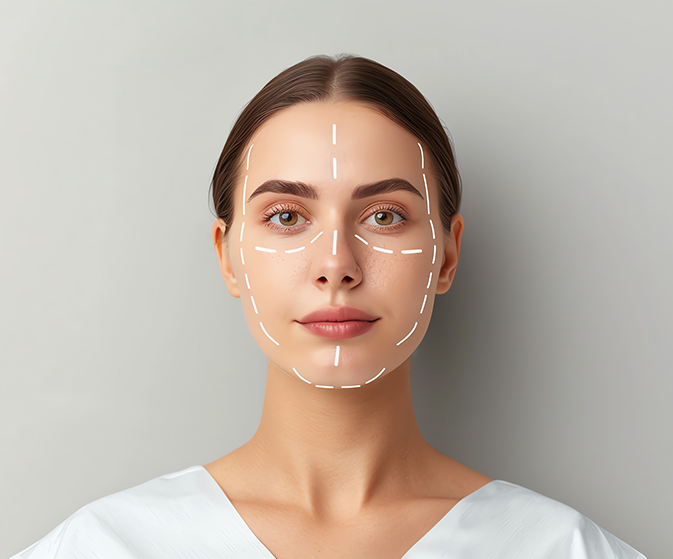
What Can Influence a Longer Session?
- Treating multiple zones (e.g. forehead, glabellar, crow’s feet) may add extra minutes
- More delicate areas (e.g. around the mouth or neck) may require slower, cautious injection
- If numbing cream is applied, you may wait several minutes for it to take effect
- A comprehensive discussion about options, risks, or combining treatments can lengthen the sit-down portion
- If you request photographs or detailed facial mapping, that adds extra time
If your plan includes combining neurotoxin with other facial rejuvenation procedures (e.g. fillers, skin treatments), your session will be longer. We’ll give you a realistic estimate when planning your visit.
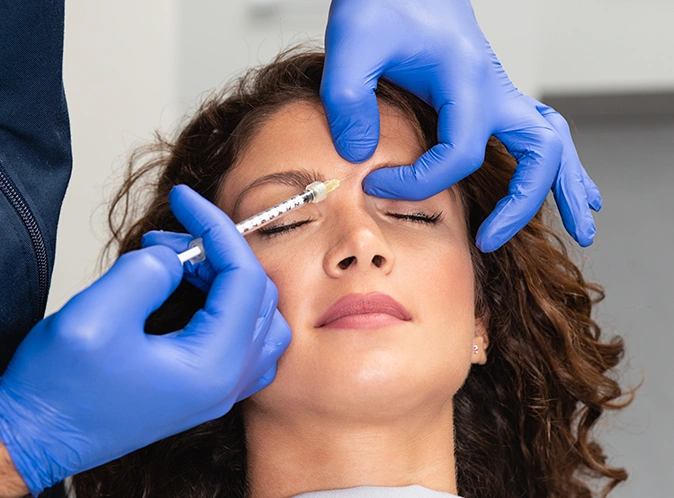
What You Should Expect During Your Visit
- We’ll begin promptly at your scheduled time; please arrive a few minutes early for paperwork
- Expect to spend a portion of the appointment in discussion, so bring questions or concerns
- Try to wear clothing that allows comfortable access to the face and neck
- After the injections, you’ll be given aftercare advice and a chance to ask follow-up questions
- You may remain in the clinic briefly to ensure everything is stable before you leave
Many patients appreciate how efficiently this procedure fits into a busy schedule—being in and out in half an hour or less.

How This Fits Into Your Day
Because the treatment duration is relatively short:
- You can schedule it during a lunch hour or between errands
- There’s minimal downtime, so you can typically resume regular activities immediately
- If you’re combining with other clinic services, allow extra time in your schedule
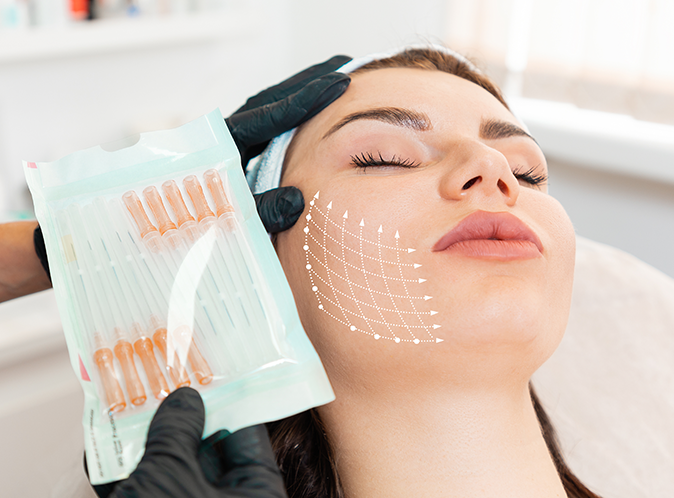
Who Might Need Extra Time?
You might require more time if:
- You want treatment in several facial zones
- You're combining with other cosmetic procedures
- You require a longer consultation due to medical history or concerns
- The injector needs more time to work in sensitive or complex anatomical zones
We always build in a buffer to ensure your comfort, precision, and safety.
Frequently Asked Questions
-
Is it okay if I'm running late?
We ask patients to arrive on time. A delay may cut into your treatment window, or we may reschedule to maintain quality care.
-
Do I need to stay after the procedure for observation?
Generally no — you’re free to leave as soon as we’ve ensured there are no immediate reactions, which takes only a few minutes.
-
Can we combine this with other treatments in one visit?
Yes — combining is common. We’ll give you a full time estimate based on your chosen treatment package.
-
Does the injection time differ from face to body?
This page addresses facial neurotoxin sessions. If treating other areas (e.g., hands, underarms for sweating), the timing may differ slightly.
-
Will it feel rushed?
Not at all. Even in a 20–30 minute window, we prioritize precision, patient comfort, and clear communication over speed.


- Monday 09:00AM - 08:00PM
- Tuesday 09:00AM - 08:00PM
- Wednesday 09:00AM - 08:00PM
- Thursday 09:00AM - 08:00PM
- Friday 09:00AM - 08:00PM
- Saturday 09:00AM - 08:00PM
- Sunday 09:00AM - 04:00PM
Start your journey

Book Now
View available appointment time slots and book in at your convenience

Make an Enquiry
Provide us with your details and we'll get in touch
Got a Question?
Speak live with one of our expert dental care team members.
