



11. Different Types And Brands Of Botox
Different Types & Brands of Botox (Neurotoxin) Treatments
Introduction
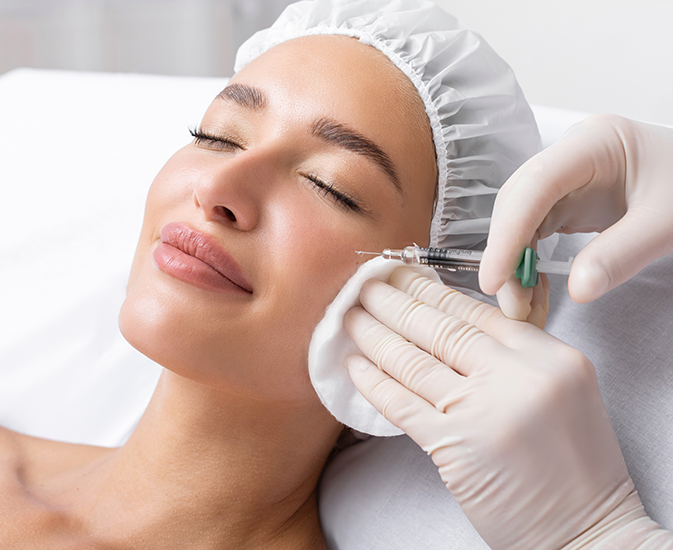
“Botox” is a colloquial name for a class of injectable neuromodulators that temporarily relax facial muscles. However, there are multiple branded versions with subtle differences. At Bayswater Dental Clinic, we consider which variant best suits your features, goals, and anatomy. Below is a guide to commonly available brands, their distinctions, and how we choose the right one for you.
How They Are Similar & Why They Differ
All current cosmetic neuromodulators typically use botulinum toxin type A as the active ingredient. They block nerve signals that cause muscle contraction, thereby smoothing dynamic wrinkles. What distinguishes them are:
- Formulation and purity (whether accessory proteins are included)
- Diffusion or spread characteristics (how far they travel from the injection site)
- Onset and duration of effect
- Antibody resistance potential
- Regulatory availability and clinical experience in a given country
Because of these variations, some products may suit certain facial zones or patient needs better than others.
Common Brands & Their Features
1. Botox Cosmetic (OnabotulinumtoxinA)
The original and most widely known brand. It has solid clinical evidence behind its use, predictable outcomes, and proven safety in various facial zones. It tends to have moderate diffusion and duration of effect that many patients find balanced and reliable.
2. Dysport / Azzalure (AbobotulinumtoxinA)
Dysport is known for its tendency to diffuse a little more compared to Botox—this can be advantageous for treating broader zones like the forehead, but it requires precise planning to avoid affecting surrounding muscles. The units are not directly interchangeable with Botox, requiring conversion by an experienced injector.
3. Xeomin / Bocouture (IncobotulinumtoxinA)
Xeomin is marketed as a “pure” formulation, with fewer accessory proteins. Some users believe this reduces the risk of developing antibodies over time. It tends to behave similarly in terms of duration to Botox but may have a slightly different onset profile.
4. Jeuveau (PrabotulinumtoxinA)
A newer brand designed specifically for cosmetic use. It is often positioned as a more modern or affordable alternative. Its diffusion, onset, and duration are comparable to Botox in many cases, and it is being adopted more broadly in practices.
5. Daxxify (DaxibotulinumtoxinA)
This is among the more recent entrants. In some studies, Daxxify has shown longer-lasting effects in certain muscles compared to traditional formulas. For patients who prioritize extended duration, this may be a compelling option, subject to regulatory approval in your region.
6. Additional Variants
There are other regional or specialty brands (e.g. certain formulations in Asia or elsewhere) based on the same toxin core but tailored to different regulatory or clinical contexts. Some newer products, such as Letybo, are emerging in global markets. Each brand has its pros and cons, and availability differs by country and clinic.
How We Choose the Right Brand
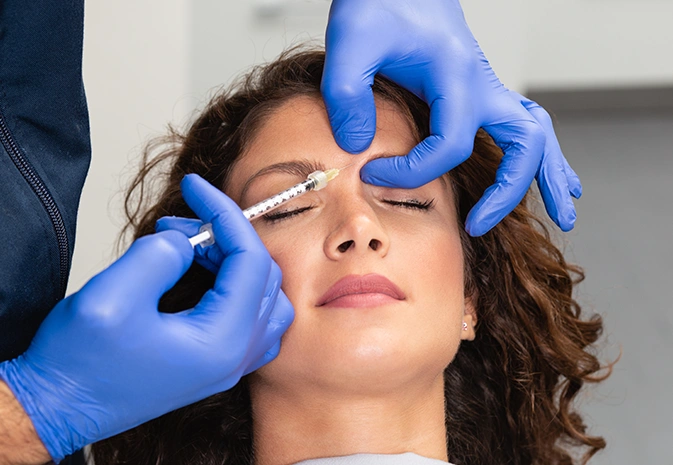
When selecting the ideal neuromodulator for you, we factor:
- The area of treatment (e.g. glabella, forehead, crow’s feet)
- Desired extent of diffusion—more precise or broader spread
- Your metabolism and muscle mass (some patients metabolize faster)
- History of previous neuromodulator use or resistance
- Cost, availability, and regulatory approval in your location
- Your aesthetic goals (e.g. subtle movement vs stronger effect)
We always discuss which option will give you the appearance you want with the safest, most predictable results.
Suitability & Considerations
- You should be a candidate in good health, free from contraindications such as certain neuromuscular conditions or allergies to the agent
- If you've previously used a specific brand, switching to another is generally possible
- Some rare cases may develop resistance to one brand; in such instances, selecting a different formulation can restore effect
- Always ensure the practitioner uses genuine, approved products and works under proper medical standards
Alternatives & Complementary Treatments
- Dermal fillers: to restore volume, not relax muscles
- Skin resurfacing / laser / peels: to improve texture and fine lines
- Thread lifts, radiofrequency, ultrasound: for tightening and lift
- Combination plans: neuromodulators are often paired with fillers and skin therapies for full-face rejuvenation
Frequently Asked Questions
-
Do all brands last the same length of time?
Not exactly. Many last 3–6 months, but newer formulations like Daxxify may last longer in certain muscles.
-
Can I switch brands if one stops working?
Yes. Switching brands is a common strategy in cases of diminished response or resistance.
-
Is one brand safer than another?
All approved brands are considered safe when used by qualified professionals. Differences are subtle; skill, dosage, and injection technique matter more than brand.
-
Will I get more side effects with one brand vs another?
Side effect profiles are broadly similar—bruising, swelling, asymmetry, drooping are possible—but diffusion characteristics and dose accuracy influence risk more than brand.


- Monday 09:00AM - 08:00PM
- Tuesday 09:00AM - 08:00PM
- Wednesday 09:00AM - 08:00PM
- Thursday 09:00AM - 08:00PM
- Friday 09:00AM - 08:00PM
- Saturday 09:00AM - 08:00PM
- Sunday 09:00AM - 04:00PM
Start your journey

Book Now
View available appointment time slots and book in at your convenience

Make an Enquiry
Provide us with your details and we'll get in touch
Got a Question?
Speak live with one of our expert dental care team members.
