


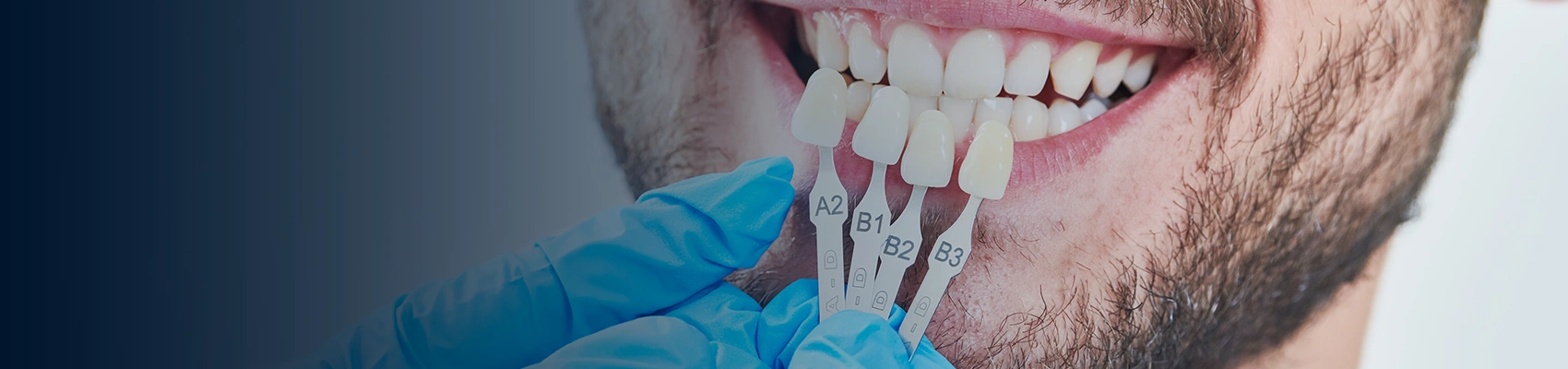
What Are The Disadvantages Of Dental Veneers?
Potential Drawbacks of Dental Veneers
While veneers can transform a smile beautifully, they’re not perfect for everyone. Here are some drawbacks to consider when weighing your options:

-
They can chip, crack, or even come loose
Porcelain veneers are strong, but under enough stress — such as biting hard objects — they may break or detach over time.
-
Irreversible tooth changes
To place a veneer, some enamel is typically removed. Once your tooth is shaped for veneers, you can’t reverse the process and return to your original tooth form.
-
They won’t respond to whitening
Dental veneers, whether porcelain or composite, don’t lighten with conventional whitening treatments. If your natural teeth stain over time, the mismatch can become noticeable.
-
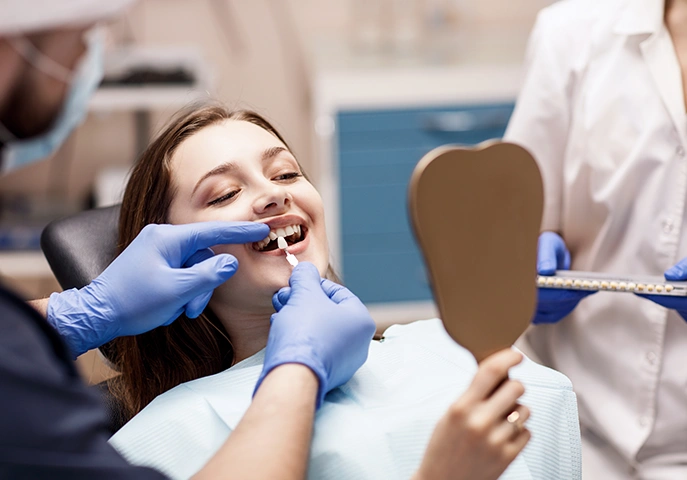
Difficult colour matching when only one veneer is needed
If you’re treating a single tooth, blending its shade with surrounding teeth can be challenging — especially as natural teeth’ colour shifts with age, diet, or habits.
-
Stricter oral hygiene demands
Veneers require consistently great care. Plaque or gum issues around the edges can undermine them over time.
-
They require replacement down the line
Veneers don’t last forever. You’ll likely need to replace them at some point, depending on wear, material, and maintenance.
-
Gum recession or changes may affect aesthetic results
As gums naturally recede with age or respond to trauma, the margin of a veneer may become visible, affecting look and fit.
-
Not ideal for certain habits or conditions
If you grind or clench your teeth, or have chewing habits like biting nails or pens, veneers are more vulnerable to damage. Also, if you suffer from uncontrolled gum disease, placing veneers may worsen gum issues or compromise foundation health.
Veneers offer stunning cosmetic benefits, but they also come with trade-offs. Be sure to discuss pros and cons with your dentist before choosing the best route for your smile.
Book a consultation at Bayswater Dental Clinic today — we’ll give you a frank assessment of whether veneers suit your teeth, lifestyle, and long-term goals.


- Monday 09:00AM - 08:00PM
- Tuesday 09:00AM - 08:00PM
- Wednesday 09:00AM - 08:00PM
- Thursday 09:00AM - 08:00PM
- Friday 09:00AM - 08:00PM
- Saturday 09:00AM - 08:00PM
- Sunday 09:00AM - 04:00PM
Start your journey

Book Now
View available appointment time slots and book in at your convenience

Make an Enquiry
Provide us with your details and we'll get in touch
Got a Question?
Speak live with one of our expert dental care team members.
