



Do Porcelain Veneers Break Or Come Off?
Can Porcelain Veneers Break or Detach?
Porcelain veneers are durable and resilient, but like any restoration, they’re not completely immune to damage or bonding failure. Here’s what you should know — and how to minimize risks.
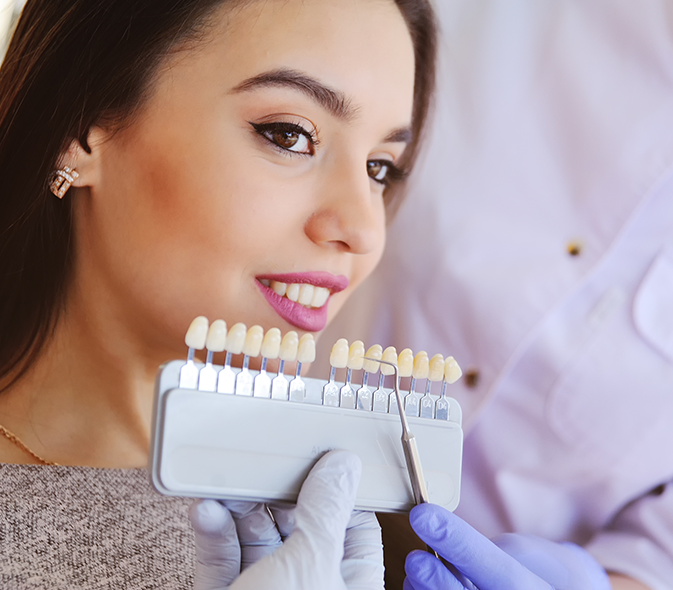
Why Veneers Sometimes Fail
-
Detachment (Debonding):
Veneers are bonded to enamel using strong dental cement. When properly placed, debonding is rare.
Most cases of detachment are caused by excessive force or trauma (e.g. biting hard objects, accidents, or misaligned bite) rather than inherent bonding failure.
-
Fracture or Chipping:
Overloading or impact can cause a veneer to crack or chip. Because porcelain is brittle compared to natural tooth tissue, it may break under aggressive pressure.
-
Wear over Time:
Repeated stress, grinding (bruxism), or biting habits can weaken the bond or the veneer itself, making it more prone to detachment or breakage.
If a veneer breaks or comes off, in most cases it needs to be replaced rather than simply re-bonded.
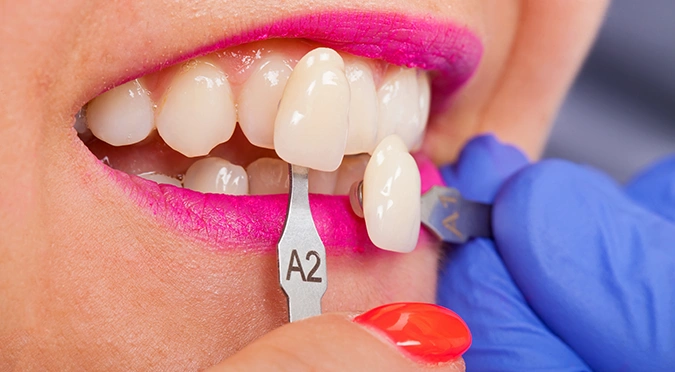
What You Can Do to Prevent Failures
- Avoid biting on very hard objects (ice, pens, nuts)
- Use a night guard if you grind or clench your teeth
- Maintain excellent oral hygiene to protect the bond margins
- Attend regular checkups so your dentist can monitor veneer integrity
- Report any looseness, cracks, or sharp edges promptly
Concerned about your veneers?
Book a consultation at Bayswater Dental Clinic today — our dentists can check their condition, advise on repair or replacement options, and help protect your smile for the years ahead.


- Monday 09:00AM - 08:00PM
- Tuesday 09:00AM - 08:00PM
- Wednesday 09:00AM - 08:00PM
- Thursday 09:00AM - 08:00PM
- Friday 09:00AM - 08:00PM
- Saturday 09:00AM - 08:00PM
- Sunday 09:00AM - 04:00PM
Start your journey

Book Now
View available appointment time slots and book in at your convenience

Make an Enquiry
Provide us with your details and we'll get in touch
Got a Question?
Speak live with one of our expert dental care team members.
