



Can Composite Veneers Break Easily?
Can Composite Veneers Break Easily?
Introduction
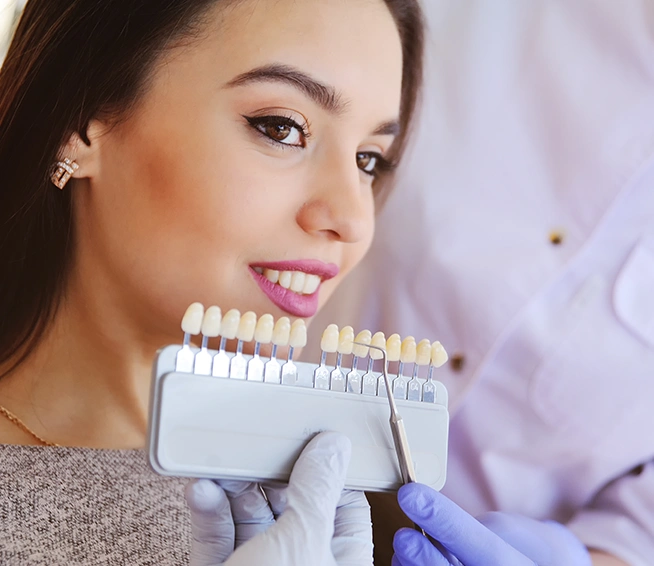
Composite veneers offer a relatively quick and affordable route to improving your smile. But it’s natural to ask: are they fragile? In reality, while composite veneers are not indestructible, they are more susceptible to damage than porcelain options. Below is a clear breakdown of how and why they can break, how likely it is, and what you can do to protect yours.
How Durable Are Composite Veneers?
- Composite resin is softer and less rigid than ceramic materials, which makes it more forgiving under some stresses but also more vulnerable to chipping or wear.
- In typical scenarios and with good care, composite veneers are unlikely to “shatter” outright. However, chips or small fractures are more common, especially under force or wear.
- Clinical experience suggests composite veneers often last 4 to 8 years, depending on use, maintenance, and restoration quality.
- Many patients report minor adjustments or repairs over time rather than full failures.
What Causes Composite Veneers to Break or Chip?
Several factors increase the risk of damage:
| Cause | Why It Matters / Mechanism |
|---|---|
| Biting hard or brittle items | Chewing ice, nuts, hard candy, or using teeth as tools can exert concentrated force that the resin can’t withstand |
| Bruxism (teeth grinding / clenching) | Repeated pressure and stress may fatigue the resin or weaken its bond to the underlying tooth |
| Accidental trauma | A blow to the mouth (e.g. sports injury or fall) can crack or dislodge veneer material |
| Poor bonding or preparation | If the veneer wasn’t properly etched, cleaned, or bonded, the interface may be weak and more prone to failure |
| Decay under the veneer | If decay develops beneath the veneer, it can undermine structural support, leading to fractures |
| Wear over time | Everyday mastication, micro-movements, and gradual abrasion can thin resin until it fails |
Signs Something Has Gone Wrong
Watch for these red flags:
- A sharp or rough edge on a veneered tooth
- Sensitivity to temperature or biting pressure
- Visible cracks, hairline lines or “white lines” across the surface
- A portion of the veneer seems loose or detached
- Discolouration or change where the veneer meets the tooth margin
If you notice any of these, schedule a dental check promptly.
Can Damage Be Repaired?
One of the advantages of composite veneers is that minor damage is often fixable:
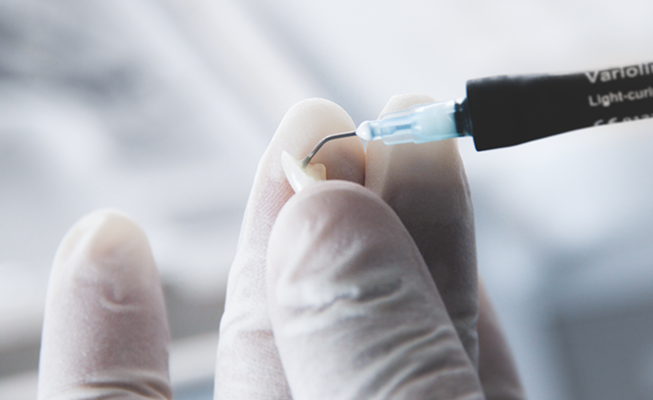
- Small chips or fractures can typically be smoothed, polished, or filled with a fresh resin layer.
- Larger breaks or areas where the veneer has separated may require partial or complete replacement.
- The repairability depends on how well the veneer bonds to the tooth, how much underlying tooth structure remains, and how soon you seek attention.
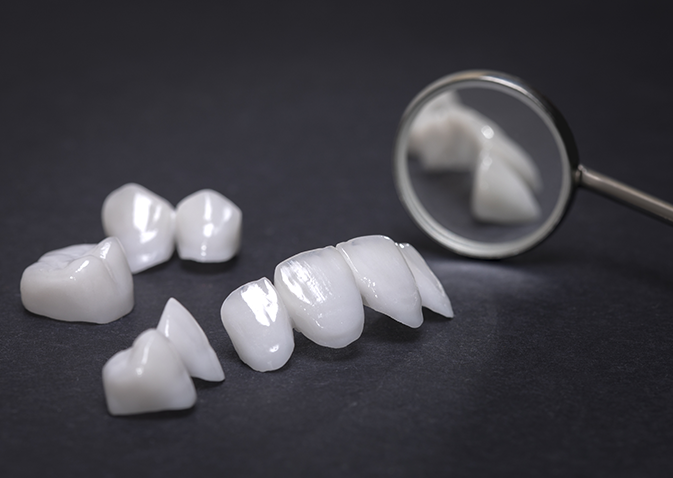
With porcelain or ceramic veneers, repair is far more limited; they tend to require full replacement when damaged.

How to Reduce Risk & Prolong Lifespan
You can help protect your composite veneers by following these best practices:
- Avoid biting hard items — ice, hard candy, pens, shells, etc.
- Wear a nightguard if you grind or clench your teeth, especially during sleep
- Use a mouthguard during sports or activities with facial impact risk
- Don’t use your teeth as tools (opening bottles, tearing tape, etc.)
- Maintain excellent oral hygiene to prevent decay beneath veneer margins
- Avoid abrasive toothpaste or harsh scrubbers — use gentle, non-abrasive formulas
- Attend regular check-ups so your dentist can detect small issues before they worsen
- Limit stain-inducing foods and drinks, which can wear surfaces or lead to repeated polishing
With good habits, the risk of breakage decreases significantly.
Summary: Fragile or Resilient?
- Composite veneers are more vulnerable to chipping, wear, or minor fracture than stronger materials like porcelain
- They generally do not “break like glass” under normal conditions
- Most damage is gradual or occurs under stress (hard foods, trauma, grinding)
- Minor repairs are often possible, making composite veneers a flexible option
- Lifespan depends heavily on technique, material quality, and your habits
In short: they can break — but that doesn't mean they easily do. With care and proper technique, composite veneers can last several years while still being easier to repair than many alternatives.


- Monday 09:00AM - 08:00PM
- Tuesday 09:00AM - 08:00PM
- Wednesday 09:00AM - 08:00PM
- Thursday 09:00AM - 08:00PM
- Friday 09:00AM - 08:00PM
- Saturday 09:00AM - 08:00PM
- Sunday 09:00AM - 04:00PM
Start your journey

Book Now
View available appointment time slots and book in at your convenience

Make an Enquiry
Provide us with your details and we'll get in touch
Got a Question?
Speak live with one of our expert dental care team members.
