


Lifespan of Composite Bonding vs Porcelain Veneers
Longevity of Composite Bonding vs Porcelain Veneers
Introduction
One of the key considerations when choosing cosmetic dental treatment is how long it will last. Composite bonding and porcelain veneers differ substantially in durability, maintenance needs, and long-term value. This page explains their typical lifespans, what influences how long they endure, and what that means for you.
Typical Lifespan of Composite Bonding
- Composite bonding (resin applied directly to the tooth) often lasts between 3 and 7 years under normal conditions.
- In favourable cases—with excellent oral habits and care—some restorations may last beyond 7 years.
- Because composite resin is more susceptible to wear, stain, and micro-damage, it tends to demand more frequent maintenance or repair compared with more durable materials.
Typical Lifespan of Porcelain Veneers
- Porcelain veneers are much more resistant to wear, staining, and structural breakdown.
- With good care and proper case selection, porcelain veneers can last 10 to 15 years or more, and some even longer.
- Because porcelain is harder and less porous, it is less prone to discoloration or deterioration over time.
Why the Lifespans Differ
Here are the main reasons composite bonding and porcelain veneers have different longevity:
| Factor | Composite Bonding | Porcelain Veneers |
|---|---|---|
| Material strength & hardness | Softer, more flexible resin — more prone to wear, chipping, surface changes | Harder ceramic — more resistant to abrasion, chips, long-term stress |
| Stain & discoloration resistance | More porous, more vulnerable to staining from foods, drinks, smoking | Non-porous surface, resists staining better over time |
| Edge integrity & margins | Edges may wear or chip more easily | Margin design in porcelain is more stable and durable |
| Repairability | Easier to repair or touch-up isolated areas | Less repairable — damage often means replacement of the entire veneer |
| Support & structural stability | Relies more on resin bond to enamel or prep surface | Bonded porcelain is supported by both tooth and strong ceramic shell |
Because of these inherent differences in material and structure, composite bonding does not last as long as porcelain veneers in most cases.
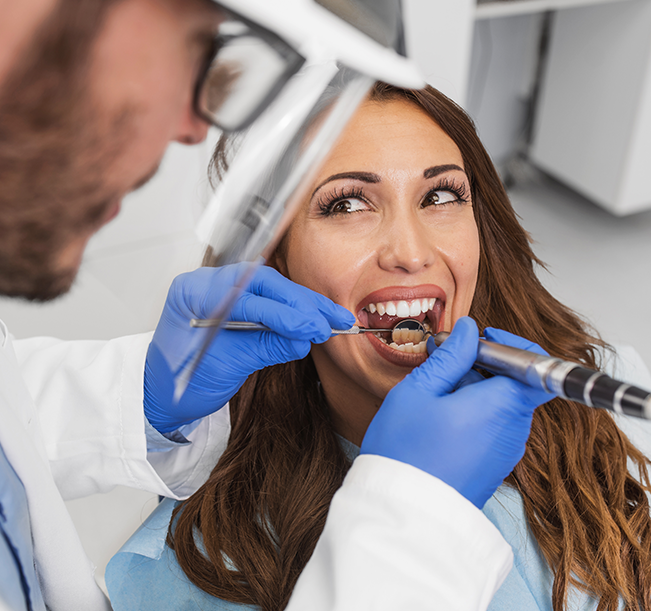
What Reduces the Longevity of Composite Bonding
Several patient and technique factors impact how long composite bonding survives:
- Dietary habits & exposure to staining substances (coffee, red wine, dark sauces, tobacco)
- Bruxism or clenching / grinding habits
- Accidental trauma or biting hard objects (ice, pens, hard foods)
- Inadequate oral hygiene or failure to clean margins well
- Poor bonding technique, moisture contamination, or suboptimal bonding protocol
- Large restorations or areas without strong enamel support
- Frequent alteration or retreatment that weakens original resin
The more stress and wear the bonded materials sustain, the shorter their service life.
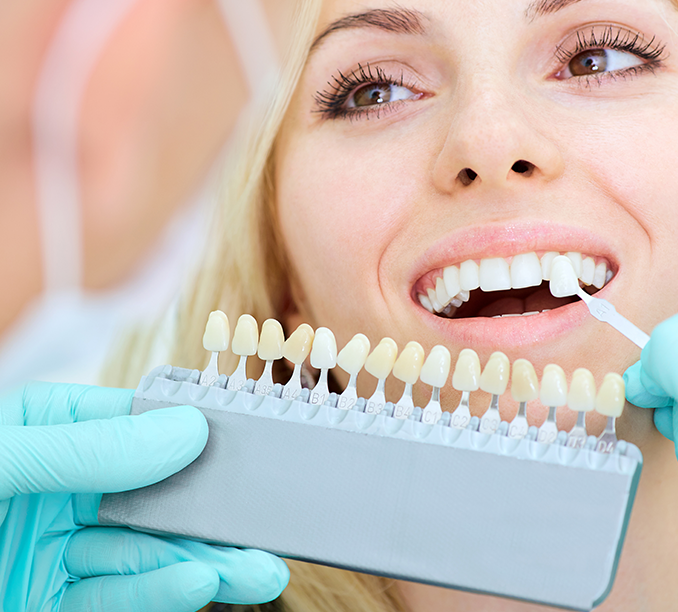
Is Composite Bonding “the Same” as Porcelain Veneers in Terms of Lifespan?
No — composite bonding is not equivalent to porcelain veneers in terms of durability. Here’s a summary:
- Porcelain veneers typically last much longer — commonly 10–15 years, sometimes beyond, if well maintained
- Composite bonding has a shorter average lifespan (3–7 years or somewhat more)
- The trade-off is that bonding is less invasive, cheaper, easier to repair, and often quicker to place
- Porcelain gives you a more “long-term” solution at a higher initial cost and with more invasive preparation
So while both aim to improve aesthetics, their longevity and maintenance cycles differ significantly.
What This Means for You
- If your priority is long-term stability with minimal care, porcelain veneers may offer better value
- If you prefer lower cost, reversibility, and ease of repair, composite bonding may suit your needs — with the understanding you'll likely replace or touch up over time
- Either approach requires good oral care, protective habits, and regular dental reviews to prolong lifespan
- Your dentist can help you decide which option balances longevity and cost best for your situation


- Monday 09:00AM - 08:00PM
- Tuesday 09:00AM - 08:00PM
- Wednesday 09:00AM - 08:00PM
- Thursday 09:00AM - 08:00PM
- Friday 09:00AM - 08:00PM
- Saturday 09:00AM - 08:00PM
- Sunday 09:00AM - 04:00PM
Start your journey

Book Now
View available appointment time slots and book in at your convenience

Make an Enquiry
Provide us with your details and we'll get in touch
Got a Question?
Speak live with one of our expert dental care team members.
