


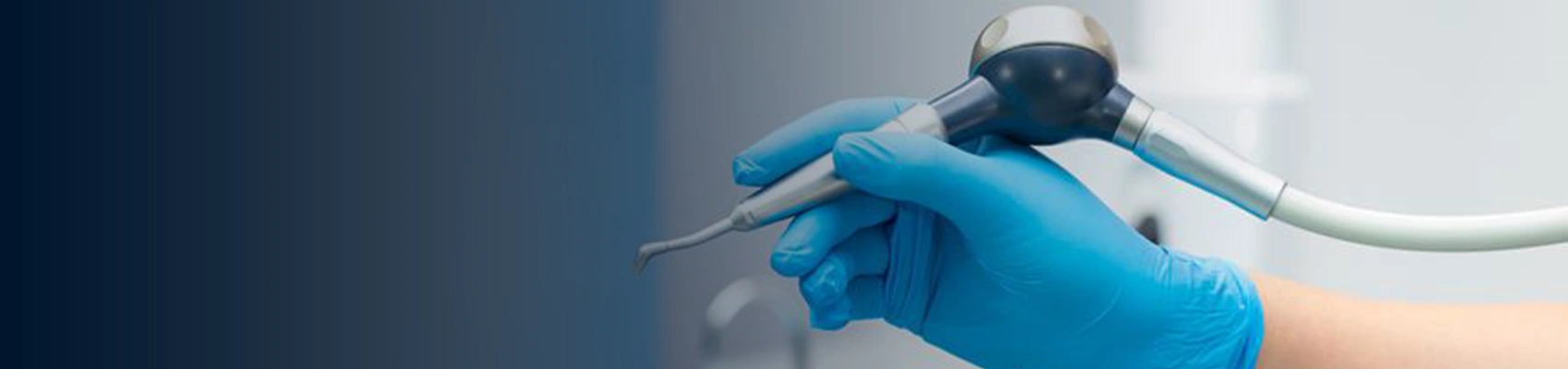
Measures Taken to Reduce Cross Infection <br> Through Aerosol Generated Pathogens
Reducing Cross-Infection from Aerosols in Our Clinic
Introduction
During many dental and facial treatments, procedures involving water, air, or mechanical instruments generate fine droplets and aerosols. These particles can carry bacteria, viruses, or other pathogens and may linger in the air long after a patient has left. At Bayswater Dental Clinic, we take multiple carefully designed steps to minimise that risk and protect both patients and staff.
Why Aerosol Safety Is Essential
- Aerosols from dental procedures can contain saliva, blood, and microorganisms that may remain airborne for hours
- In enclosed spaces, unsupported droplets can spread across the room and settle on surfaces
- Infections such as viral or bacterial respiratory agents can potentially be transmitted this way
- Effective control requires layers of protection — no single measure is sufficient on its own
Our Safety Measures & Technologies
We employ a multi-layered strategy to reduce aerosol transmission risk:
1. High-Performance Plasma Air Purifiers
We use advanced plasma air purification units in our treatment rooms. These devices actively reduce airborne pathogens (including viruses) by filtering and neutralising particles suspended in the air, helping clear the atmosphere during and after treatments. Bayswater Dental Clinic
2. Localised High-Volume Suction
When aerosol-producing instruments are used, high-volume evacuation (HVE) suction is positioned close to the source (such as the mouth). This captures much of the spray before it disperses into the room.
3. Treatment Room Air Management & Ventilation
Our facilities incorporate effective ventilation systems to increase air turnover and reduce lingering aerosol concentration. Clean air exchange helps dilute the load of airborne pathogens.
4. Time Intervals Between Patients
We may schedule brief gaps between procedures to allow airborne particles to settle and be cleared by air systems before the next patient arrives.
5. Surface Decontamination & Instrument Hygiene
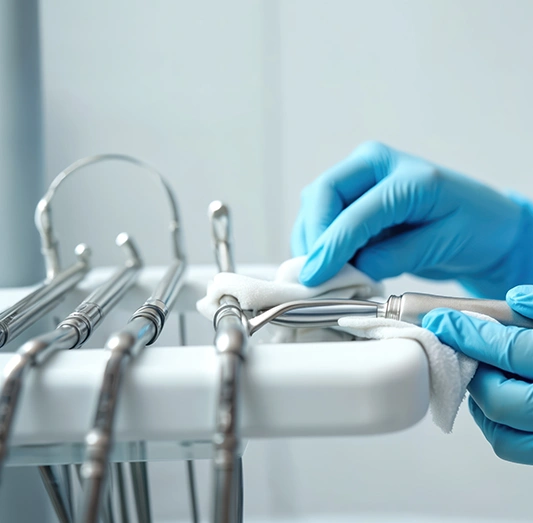
All surfaces, equipment, and contact points are disinfected with medical-grade agents after each patient. Reusable tools undergo strict sterilisation protocols.
6. Staff Use of Enhanced Protective Gear
Clinical staff wear appropriate PPE during aerosol-generating work—respirators or high-spec masks, face shields, gowns, and gloves. This barrier protects the team and contributes to overall safety.
7. Screening & Clinic Policies
Patients are screened for symptoms or risk factors before entry. Where appropriate, we may adapt scheduling or take extra precautions to reduce risk.
8. Ongoing Training & Quality Checks
All team members are trained in aerosol safety protocols, correct PPE usage, and cross-infection control. We regularly review and update these measures to keep them current and effective.
What This Means for You as a Patient
- You’ll be treated in an environment where air is continuously filtered and cleaned
- Aerosol-generating tools are paired with suction to reduce dispersion
- Surfaces and instruments you touch are disinfected thoroughly between patients
- Staff follow strict barrier and hygiene practices
- We balance safety and comfort so your visit remains efficient but as well protected as possible
Frequently Asked Questions (FAQs)
-
Can aerosol particles reach other rooms or patients?
Our ventilation, room separation, and air purification aim to prevent cross-room spread. The combination of local suction and controlled air flow helps contain particle movement.
-
Do air purifiers make the air instantly safe?
No — purifiers work continuously to reduce airborne load over time. They are most effective when used alongside suction, ventilation, and surface cleaning.
-
Will the air feel different in the room?
You may notice subtle airflow or gentle filtration noise. The intention is to maintain a safe environment without causing discomfort.
-
Are these measures standard in all dental clinics?
Not always. Some clinics may not employ plasma purification or stringent protocols. We’ve chosen these enhanced methods to raise the bar for patient safety.
-
Does this affect appointment cost or time?
No. These infection control practices are part of our standard care and are not added as extra charges to patients.


- Monday 09:00AM - 08:00PM
- Tuesday 09:00AM - 08:00PM
- Wednesday 09:00AM - 08:00PM
- Thursday 09:00AM - 08:00PM
- Friday 09:00AM - 08:00PM
- Saturday 09:00AM - 08:00PM
- Sunday 09:00AM - 04:00PM
Start your journey

Book Now
View available appointment time slots and book in at your convenience

Make an Enquiry
Provide us with your details and we'll get in touch
Got a Question?
Speak live with one of our expert dental care team members.
