



Are Dermal Fillers Safe?
Are Dermal Fillers Safe?
Introduction
Dermal fillers are widely used to restore volume, smooth lines, and enhance facial contours. While generally safe, they are medical procedures and carry certain risks. Understanding how safety is managed, what complications may arise, and how to minimise them helps you make an informed decision.
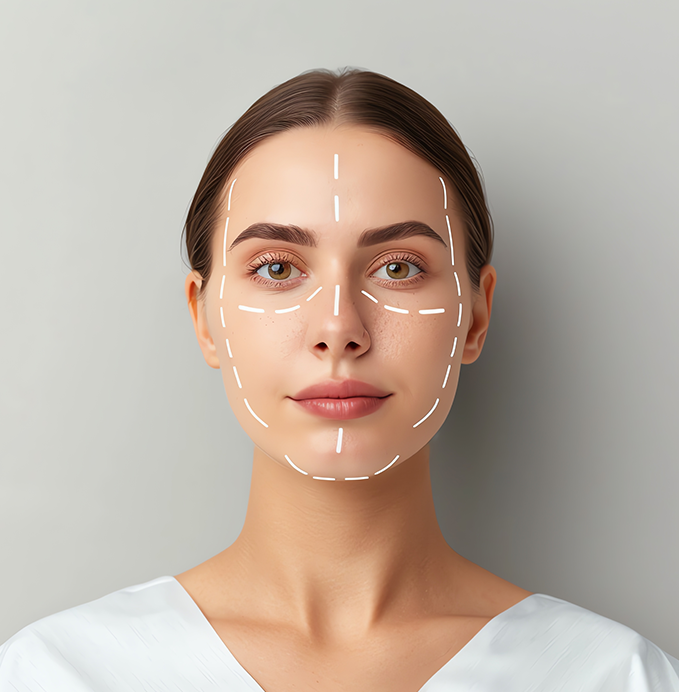
How Safety Is Ensured
-
Qualified, experienced practitioners
A key factor in safe filler treatments is choosing a clinician who understands facial anatomy and injection technique. Good training and experience reduce the likelihood of errors or complications.
-
Sterile technique and medical-grade products
Procedure rooms should adhere to strict hygiene. Only sealed, approved filler formulations should be used to avoid contamination and infections.
-
Appropriate product selection
Different filler materials (such as hyaluronic acid) have varying properties. Selecting a product suited to the treatment area and your skin type helps optimise safety.
-
Conservative dosing and gradual enhancement
Starting with smaller amounts and building up when needed allows safer contouring and reduces the risk of overcorrection or lumps.
-
Emergency protocols and dissolving agents
Good practices include having reversal agents (for example, hyaluronidase for HA fillers), and being prepared to manage complications promptly if they occur.

Common Side Effects (Expected & Temporary)
After filler injections, many patients experience mild, short-lived effects:
- Swelling & redness around treated sites
- Bruising or minor bleeding due to needle puncture
- Tingling, tenderness or mild discomfort
- Itchiness or slight firmness in the days following treatment
These reactions usually resolve within a few days to a week, and are considered normal.
Less Common Risks & Complications
Although rare, more significant complications can occur. Some include:
-
Lumps, nodules, or unevenness
If filler is placed unevenly or too superficially, you may notice bumps or irregular texture. Often correctable with gentle massage or targeted intervention.
-
Migration or displacement
The product may shift from the intended site, especially if excess filler is used. Proper technique minimises this risk.
-
Allergic reactions or hypersensitivity
Though uncommon—especially with hyaluronic acid fillers—sensitivity or delayed reactions can occur. These may present as swelling, redness, or firmness days after treatment.
-
Infection or inflammation
If bacteria are introduced during injection, infection may develop. Symptoms include increasing redness, warmth, pain or discharge. Early treatment is essential.
-
Vascular complications
One of the most serious risks is inadvertent injection into or compression of a blood vessel. This can reduce blood flow to tissues, causing skin necrosis (tissue death). In very rare instances, if vessels supplying the eye are affected, vision problems may occur.
-
Overcorrection or asymmetry
Placing too much filler or not balancing both sides properly may produce an unnatural look or imbalance.
-
Delayed-onset issues
In rare cases, nodules, swelling or inflammatory reactions may develop weeks or even months later. These may require medical management or dissolution of the filler.
Why Serious Risks Are Very Uncommon
- Most complications stem from technical error, not the filler itself
- Using proper anatomy techniques and conservative volumes reduces risk
- Availability of reversal agents (e.g. hyaluronidase) for hyaluronic acid fillers lets clinicians correct issues quickly
- The overall incidence of severe adverse reactions is very low when performed by trained professionals
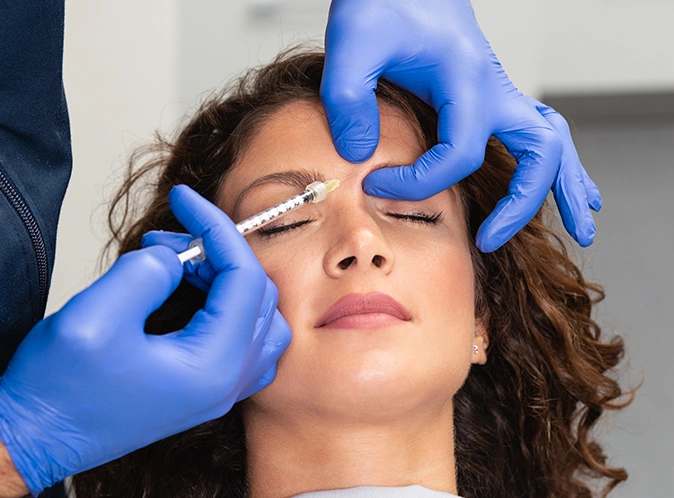
Who Should Be Cautious or Avoid Fillers
You should disclose any of the following in your consultation:
- Autoimmune disorders or immunosuppressive therapy
- History of severe allergies or hypersensitivity
- Active infection, skin disease or cold sores in or near the area
- Bleeding disorders or anticoagulant use
- Pregnancy or breastfeeding
- Prior adverse reactions to fillers
In such cases, your clinician may delay treatment or rule out filler altogether, recommending alternatives instead.

How to Protect Yourself (What You Can Do)
- Always verify your practitioner’s credentials and experience
- Ask to see unused, sealed filler syringes or vials
- Avoid providers offering extremely low prices—these may compromise safety
- Do not undergo “DIY” filler injections or use unregulated devices sold online
- Ensure your clinic has reversal protocols and emergency planning
- Follow all pre- and post-treatment instructions carefully
Frequently Asked Questions (FAQs)
-
Can fillers cause blindness?
Yes, though extremely rare. This can occur if filler is inadvertently injected into or travels through a blood vessel supplying the eye. Quick recognition and reversal are critical to minimise damage.
-
Are hyaluronic acid fillers safer than others?
Generally yes. HA is biocompatible, reversible with hyaluronidase, and less likely to provoke severe reactions. Many complications are treatable with prompt intervention.
-
If something goes wrong, can filler be removed?
For HA-based fillers, yes—hyaluronidase can dissolve the material. Other filler types may not be removable and pose greater risks.
-
When do serious complications occur?
Mostly during or shortly after treatment, but rare delayed events may surface days to months later. That’s why follow-up monitoring is important.
-
Will I always have bruising or swelling?
Not always, but small swelling or bruising is common and expected. Most resolve within several days.


- Monday 09:00AM - 08:00PM
- Tuesday 09:00AM - 08:00PM
- Wednesday 09:00AM - 08:00PM
- Thursday 09:00AM - 08:00PM
- Friday 09:00AM - 08:00PM
- Saturday 09:00AM - 08:00PM
- Sunday 09:00AM - 04:00PM
Start your journey

Book Now
View available appointment time slots and book in at your convenience

Make an Enquiry
Provide us with your details and we'll get in touch
Got a Question?
Speak live with one of our expert dental care team members.
