



Am I Suitable For Laser Gum Contouring?
Am I Suitable for Laser Gum Contouring?
Introduction
Laser gum contouring—the technique of reshaping the gingival margins using focused laser energy—can dramatically improve smile aesthetics and gum harmony. However, not everyone is an ideal candidate. At Bayswater Dental Clinic, we perform a careful assessment to determine whether this treatment is safe and suitable for you.
What We Evaluate in Candidate Suitability
1. Gum & Bone Anatomy
We assess the thickness of your gum tissue (gingival biotype) and the level of underlying bone. Patients with excessively thin gums, minimal bone support, or advanced bone loss may be at higher risk for recession or exposure of root surfaces after the procedure.
2. Extent of Excess Gum Tissue
Laser gum contouring works best when there is a moderate amount of excess gingiva (a “gummy smile,” uneven gum lines, or covering of visible tooth surfaces). If the excess is limited, or the teeth are already well-exposed, the benefit may be minimal.
3. Health & Healing Potential
General health plays a key role in tissue healing. Candidates should be free of uncontrolled systemic conditions (e.g. uncontrolled diabetes), be non-smokers or willing to quit for the healing period, and have no contraindications to minor oral surgery.
4. Gum Health & Periodontal Status
Active gum disease, untreated periodontitis, or significant inflammation are unfavorable factors. Before undergoing cosmetic reshaping, any underlying periodontal issues must be stabilised to reduce the risk of poor outcomes.
5. Aesthetic Goals & Expectations
You should have clear, realistic expectations. Laser contouring can improve proportion, symmetry, and appearance—but it cannot completely change facial anatomy or tooth position. Ideal candidates understand both the possibilities and limits.
6. Oral Hygiene Commitment
Because gum healing depends on meticulous oral care, candidates must be committed to maintaining excellent hygiene before, during, and after treatment to minimise infection and support recovery.
7. No Active Infection or Soft Tissue Irritation
If there is active inflammation, infection, ulceration, or trauma in the gums near the proposed treatment zone, the procedure may need to be delayed until tissues are healthy.
Cases Where Laser Contouring May Not Be Suitable
- Very thin gum biotype where further thinning would compromise tissue stability
- Severe bone loss or minimal band of attached gingiva
- Patients with poor health or compromised healing
- Smokers unwilling to cease during recovery
- Uncontrolled gum disease or active infection
- Unrealistic expectations (e.g. expecting the procedure to fully replace orthodontics or major structural changes)
The Consultation & Screening Steps
-
Medical & dental history review
We review your full medical background, medications, and risk factors.
-
Clinical examination
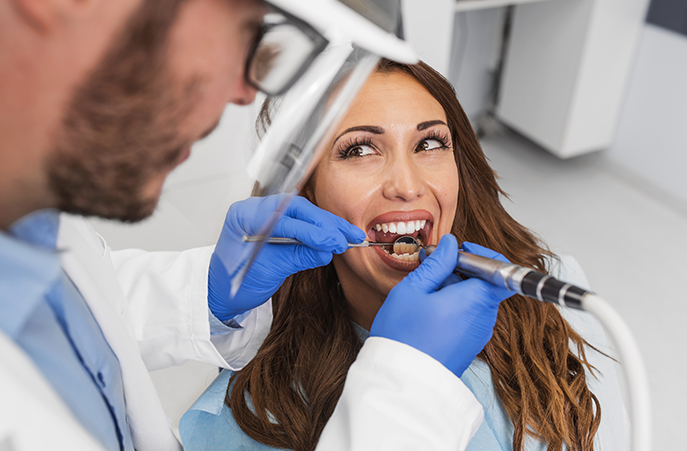
We examine your gum shape, contour, thickness, tooth exposure, pocket depths, and bone support.
-
Photographic and measurement analysis
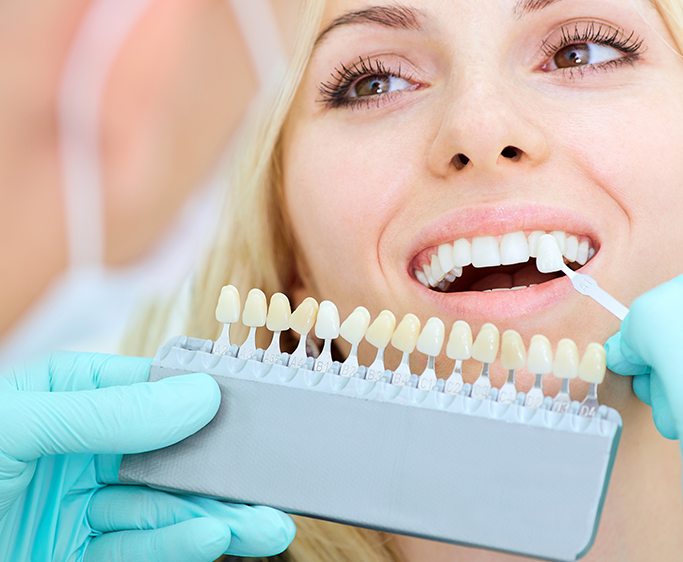
We may take photos, gum-tooth measurements, and even radiographs to understand the underlying bone.
-
Smile dynamics and lip movement assessment
How your lip moves when smiling can influence how much gum shows, which guides how much contouring is feasible.
-
Discussion of goals and limitations
We walk you through what can realistically be achieved and whether other or adjunctive treatments are more suitable.
Alternatives if You Are Not a Candidate
- Traditional scalpel gingival surgery or flap surgery
- Crown lengthening to adjust bone and gum together
- Orthodontic treatment to reposition teeth and reduce gum exposure
- Botox injections for lip position (if excess show is partly from lip hyperactivity)
- Cosmetic veneers or crowns to adjust tooth proportions visually
We’ll explore which alternative or combined approach best matches your condition and goals.
Frequently Asked Questions
-
Will my teeth look longer after contouring?
Yes—improving gum proportion often results in more visible tooth crown, but ideally this is done in harmony so the result looks natural and balanced.
-
Does the procedure weaken gums permanently?
If done incorrectly or excessively, there is a risk of recession. This is why candidate assessment and conservative planning are essential.
-
Is there pain or discomfort in suitability screening?
No—the assessments, measurements and imaging are non-invasive and comfortable.
-
Can I combine this with veneers or cosmetic dentistry?
Often yes. Laser gum contouring is frequently paired with veneers, crowns, or tooth reshaping to create a coordinated result.
-
If I’m borderline, can treatment still work?
Sometimes yes—with caution, staged treatment, or conservative limits. We may choose a modest approach to test response before more aggressive contouring.


- Monday 09:00AM - 08:00PM
- Tuesday 09:00AM - 08:00PM
- Wednesday 09:00AM - 08:00PM
- Thursday 09:00AM - 08:00PM
- Friday 09:00AM - 08:00PM
- Saturday 09:00AM - 08:00PM
- Sunday 09:00AM - 04:00PM
Start your journey

Book Now
View available appointment time slots and book in at your convenience

Make an Enquiry
Provide us with your details and we'll get in touch
Got a Question?
Speak live with one of our expert dental care team members.
